· Practical tips
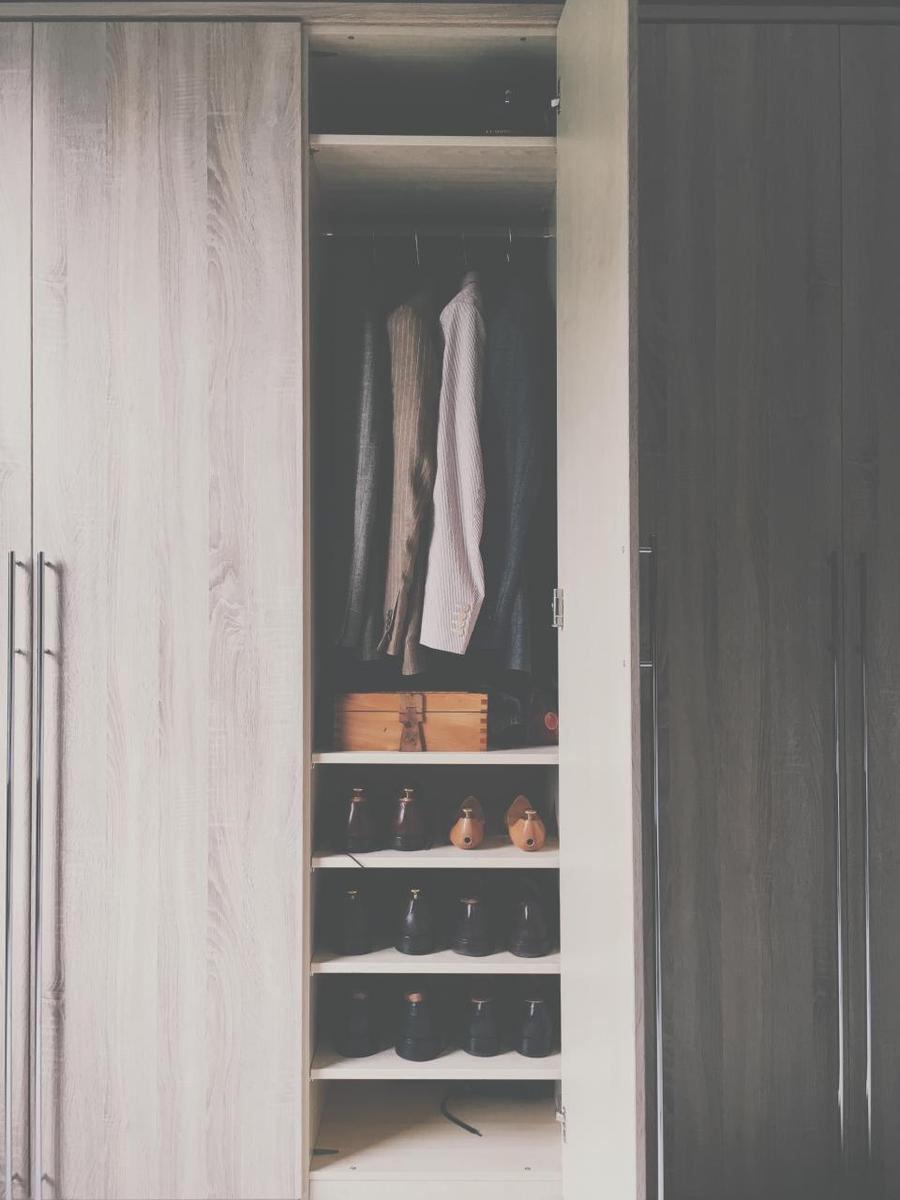
How to make the most of a small closet: ideas that work
With a good interior layout, a small closet can hold far more. These ideas work in any apartment.

Hybrid work is changing how offices are designed. We review the ideas we see companies applying in Cuenca, Guayaquil and Quito.

More and more Ecuadorian companies mix office days with remote work, and that forces a rethink of the space. It is no longer about placing one desk per person, but about offering different places for different tasks. These are the trends we see most in the requests we receive.
If half the team is away each day, it makes little sense to pay for square meters of empty desks. Many offices adopt shared stations, with a workstation available to whoever arrives first or books it.
For this to work, every station needs the same things: power and network connections, a good adjustable chair and a personal locker for belongings.
The hybrid meeting, with part of the team on screen, calls for rooms for two to six people with good acoustics and a table designed for video calls. A medium-sized room with a well-placed screen and camera usually does more than a large room without technology.
Prefabricated modules are a convenient solution here, because they are installed as a standalone room inside a warehouse or a covered patio.
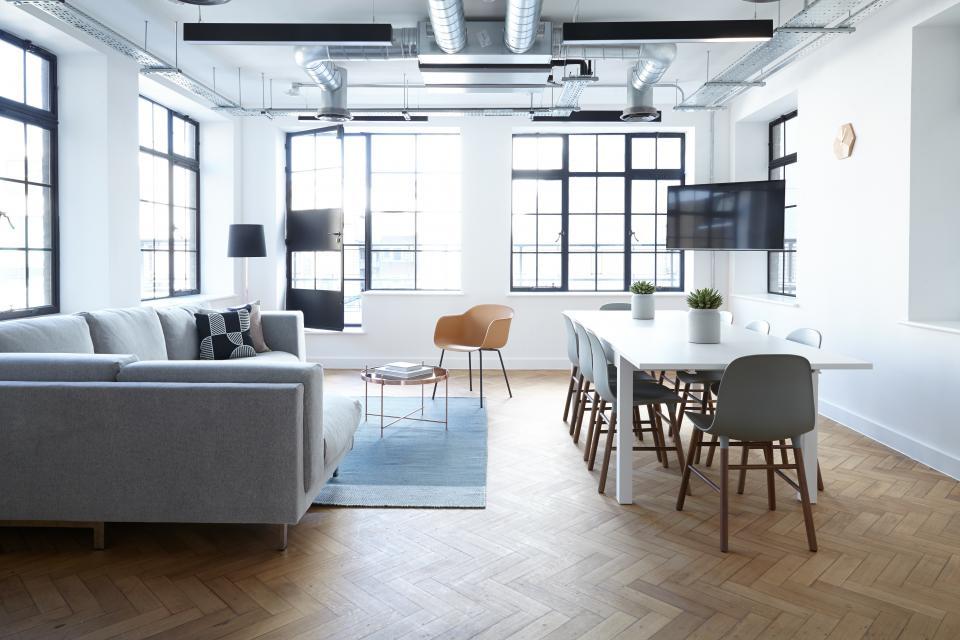
The team comes to the office to collaborate, and the office must allow that without sacrificing concentration. That is why two kinds of zone are separated:
A hybrid office depends on connectivity: stable networks, enough outlets and cables that stay out of the way. More and more projects ask for cable trays and grommets built into the desks, so devices can be plugged in without visible cables.
It is also becoming common to install wireless charging on meeting tables and network points on counters. They are small details that save time and avoid clutter.
If you will build new furniture, it is wise to define the cable route from the design stage. It is much easier to do in the workshop than to drill a finished piece, and the result looks better.
Desks on wheels, folding tables and movable shelves let you reconfigure the space in minutes. This is useful when one day there is a workshop with ten people and the next almost nobody.
Modular furniture also supports growth: pieces are added or removed without redoing the whole layout.
Another clear trend is attention to people's well-being: plants, natural light, soft colors and good-looking materials. A pleasant office motivates the team to want to come back.
In addition, using durable, repairable furniture reduces waste. A well-made piece that adapts over the years is better for the budget and for the environment than replacing it every time fashion changes.
Start by measuring how the space is actually used over two weeks: how many people come each day and what they do. With that data, a good design usually reduces square meters without losing comfort.
If you wish, at ModulOffi we can help you plan the layout and decide which furniture is worth building to measure and which to buy ready-made.
· Practical tips
With a good interior layout, a small closet can hold far more. These ideas work in any apartment.
· Practical tips
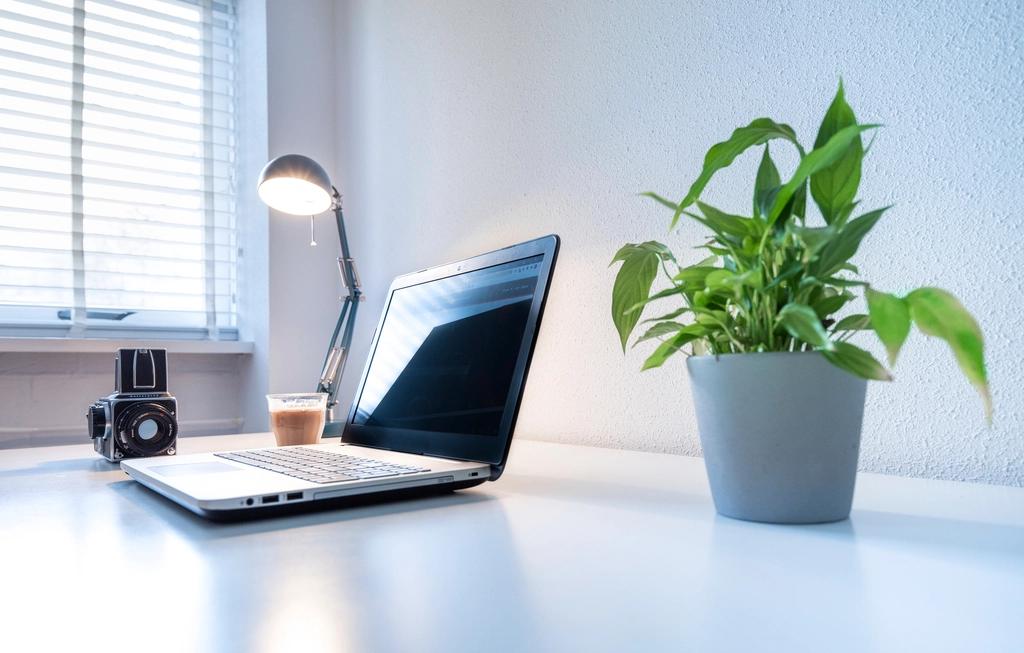
Desk height, chair, screen and lighting: small adjustments to work more comfortably and feel less tired.
· Practical tips
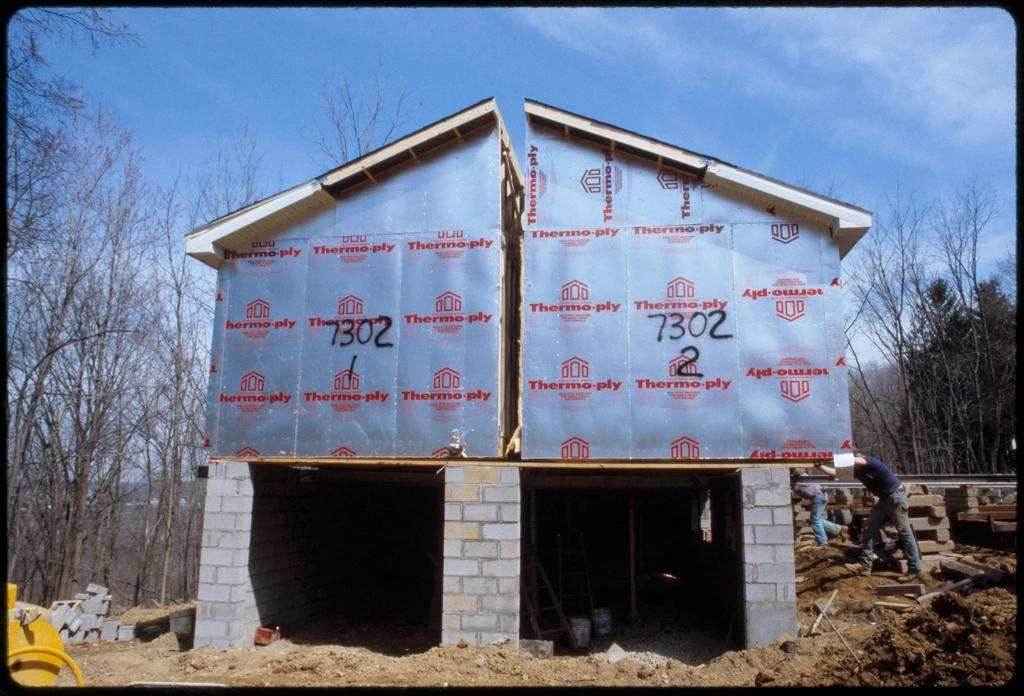
How to keep a module cool or warm depending on the climate: panel type, roof, windows and ventilation.