· Practical tips
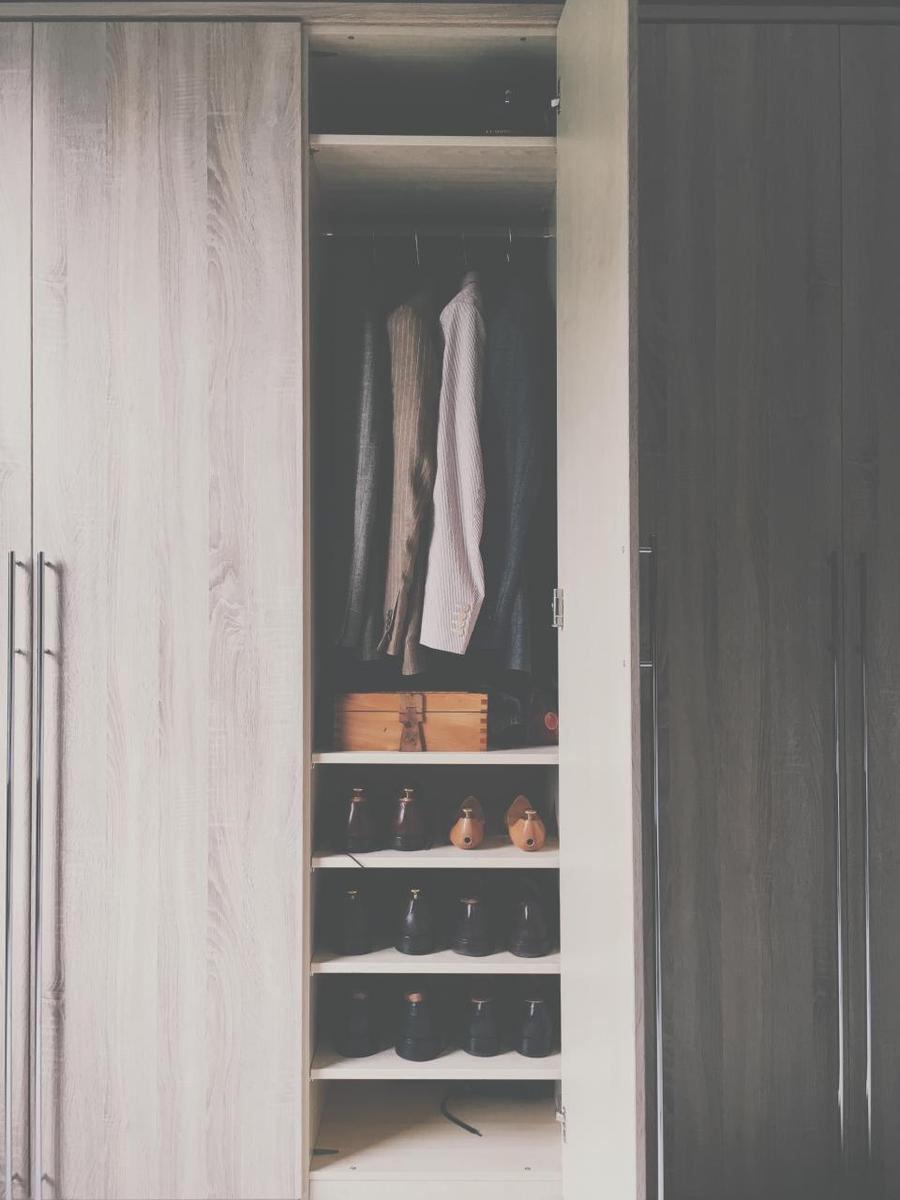
How to make the most of a small closet: ideas that work
With a good interior layout, a small closet can hold far more. These ideas work in any apartment.

How to keep a module cool or warm depending on the climate: panel type, roof, windows and ventilation.
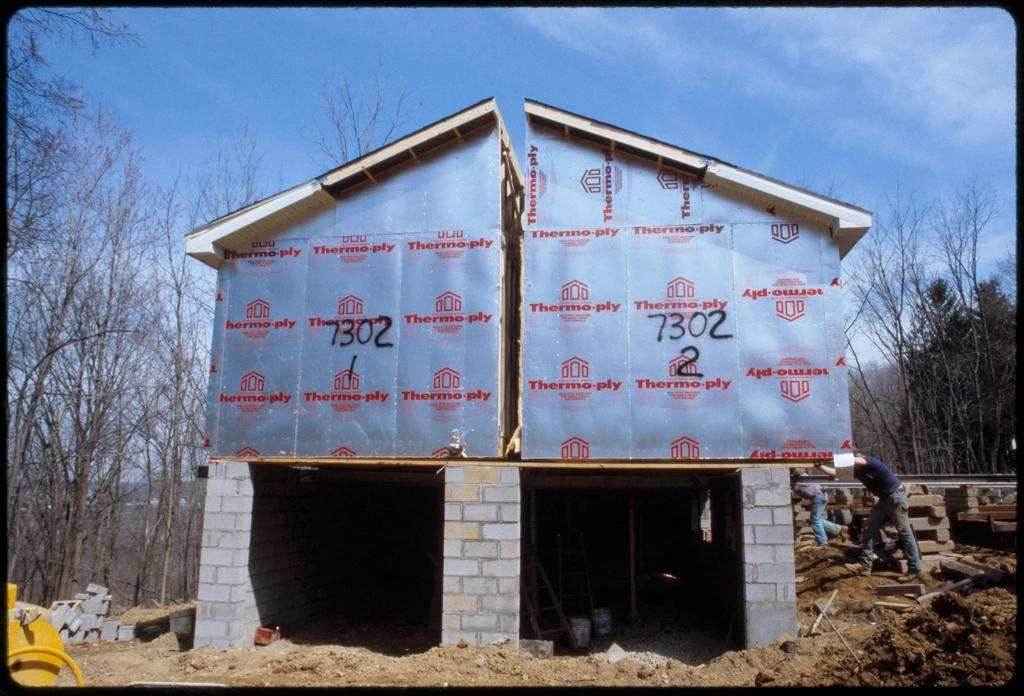
A prefabricated module can be very comfortable in Cuenca, in Guayaquil or in an Amazon region, but only if it is designed for the climate of its location. Thermal insulation is the decision that most affects comfort and energy use. Let us see how to think about it.
Our modules use panels with two steel sheets and an insulating core, which can be expanded polystyrene or polyurethane. Polyurethane insulates more per centimeter of thickness, and polystyrene is a more economical option.
More thickness means better insulation. In the highlands, where nights are cold, a thicker panel is advisable; on the coast, the goal is to keep the sun's heat from passing through the wall.
The roof receives direct sun for hours, which is why it is the surface that most affects indoor temperature. Three measures help:
For very hot areas, a second lightweight roof above the module, like a parasol, noticeably reduces the thermal load.
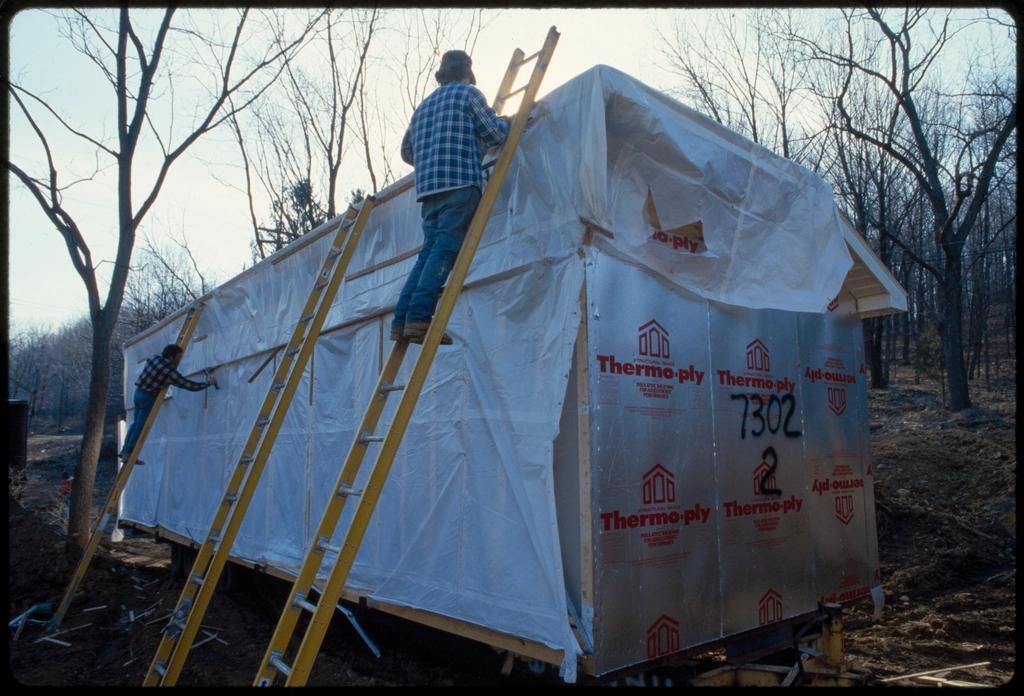
A poorly sealed window cancels part of the panel's work. Choose profiles that close well and glass suited to the climate: thicker or double in the highlands, with solar control on the coast.
Thermal bridges are metal points that conduct heat from outside to inside. Good joint and seal design reduces them, and it is something we take care of in the workshop before shipping the module.
Good insulation also needs care. Once a year, check the seals on windows and doors, and replace any silicone that has cracked. Small air or water leaks reduce comfort and can damage the panel over time.
On the roof, keep gutters and downspouts free of leaves and dust. Accumulated water overloads the roof and can seep through the joints. In areas of heavy rain, it is wise to do this check before the season.
If you see damp stains on the false ceiling, do not wait: call us to find the cause. It is almost always a seal to replace or a connection that came loose, and fixing it in time costs far less.
Insulating does not mean sealing completely. A module needs ventilation to prevent condensation and odors, especially in kitchens and bathrooms. Well-placed grilles and simple extractors are usually enough.
In cold, damp climates, constant minimal ventilation keeps steam from condensing on the walls and damaging the finishes.
Imagine a modular office in Cuenca used Monday to Friday. With panels of good thickness, well-sealed windows and an insulated roof, the interior keeps a pleasant temperature with very little heating.
The same office, installed in Machala with an identical design, would be very hot in the afternoon. There, the most effective change would be adding shade over the roof and cross ventilation, before spending on a thicker panel.
In the highlands, prioritize panel thickness, good sealing and quality windows. On the coast and in the Amazon, prioritize the roof, shade, cross ventilation and efficient air conditioning.
Tell us where your module will be installed and how you will use it. With that, we propose the combination of panel, roof and windows that best balances comfort and budget.
· Practical tips
With a good interior layout, a small closet can hold far more. These ideas work in any apartment.

· Practical tips
Desk height, chair, screen and lighting: small adjustments to work more comfortably and feel less tired.
· Practical tips
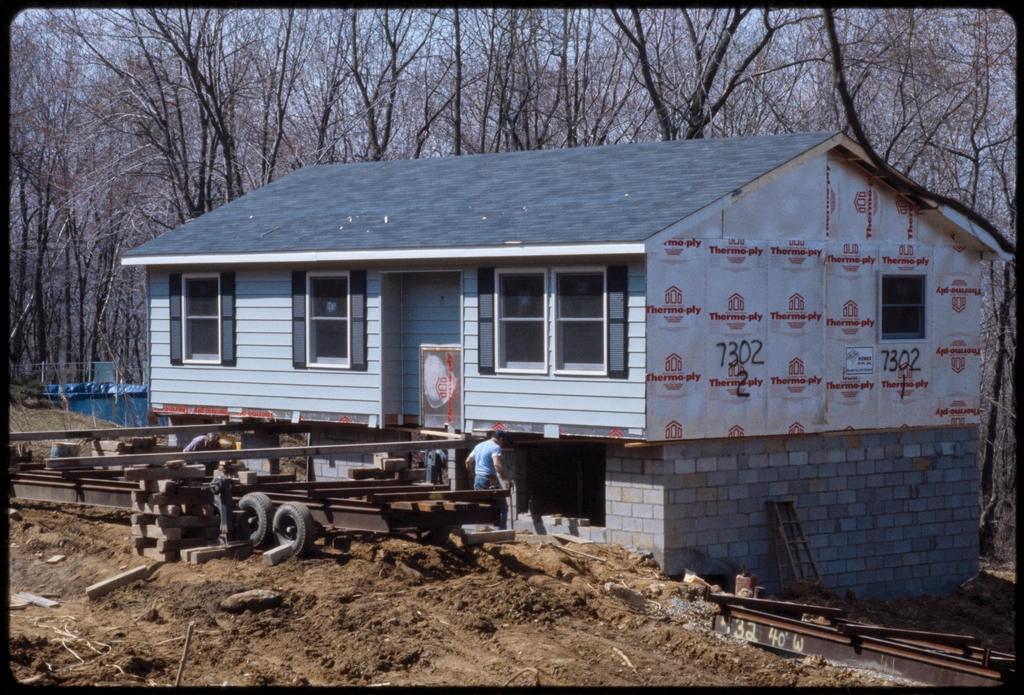
What drives the price of a modular home, what it includes and what you should budget separately before you begin.