· Practical tips
How to make the most of a small closet: ideas that work
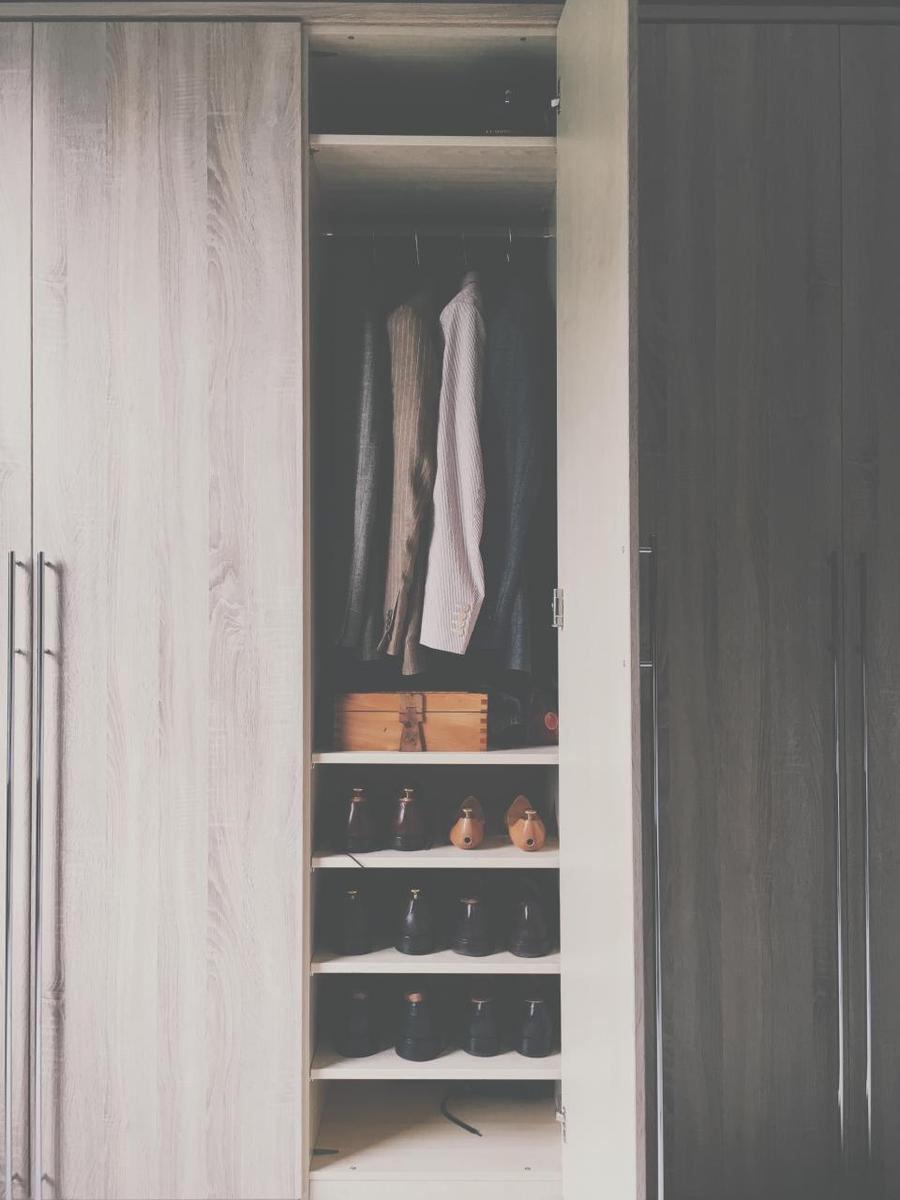
With a good interior layout, a small closet can hold far more. These ideas work in any apartment.

What drives the price of a modular home, what it includes and what you should budget separately before you begin.
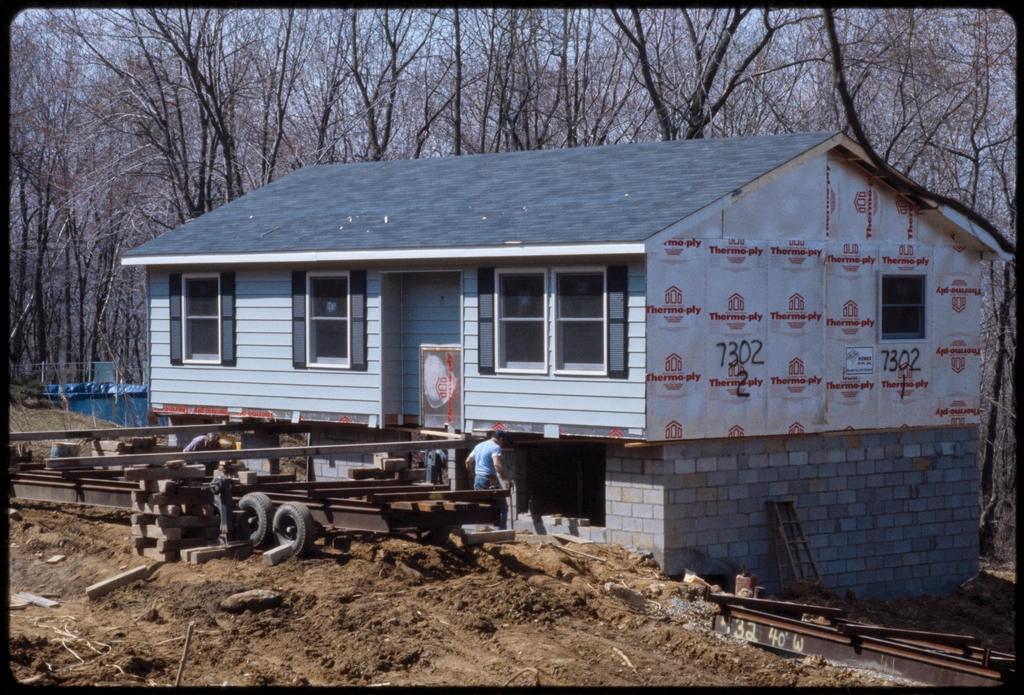
It is the question we receive most often, and the honest answer is that it depends. The price of a modular home changes with size, finishes, transport distance and the condition of the site. In this article we explain what goes into the cost and what to budget separately, without invented figures you cannot verify.
The base cost depends mainly on the square meters and the building system. A galvanized steel frame module with sandwich panel costs differently from one with better-insulated walls or wood finishes.
Two homes of the same size can vary quite a lot in price because of the quality of windows, floors, bathrooms and electrical installation. That is why we always prefer to quote against a clear list of finishes.
Check that your proposal details at least the following:
If something is not on the list, ask whether it is included. It is the best way to compare proposals fairly.
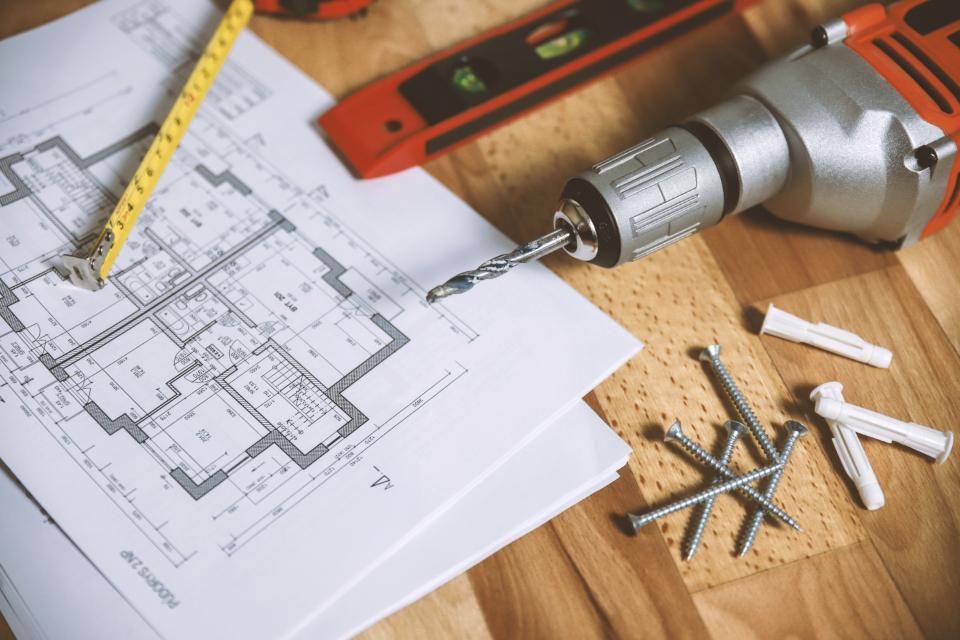
There are almost always expenses outside the module. The main one is site preparation: leveling, a footing or foundation slab and truck access.
Connections for water, electricity and sewer or septic tank also count, along with municipal permits and furniture. In rural areas, the distance to the electrical connection point can weigh heavily on the budget.
Although modular construction is quick, the paperwork still exists. Before buying, ask your municipality what permits a prefabricated home requires, because the requirements change between cantons and sometimes depending on land use.
As for payment, some financial institutions offer housing loans that may apply to certain building systems. Ask your bank or credit union directly which documents they require for a modular home; do not assume it is treated like a traditional build.
Always keep the signed contract, plans and list of finishes. Those documents serve you for the permit, for the loan and for any future warranty claim.
One advantage of modular building is that the module is built in the workshop while you prepare the site, so both jobs move forward in parallel. That usually shortens the total time compared with traditional construction.
At ModulOffi we work with a down payment to start fabrication, progress payments and a balance on delivery. The details are agreed in writing before we begin.
Always compare proposals with the same scope. A lower quote may leave out transport, installation or bathrooms, and end up costing more.
If you can, visit a modular home that is already installed. Walking in, touching the finishes and talking with the people who live there will give you a more precise idea than any brochure, and will help you decide with confidence.
Tell us the city or canton, the size you imagine, how many people will live there and the level of finishes you prefer. With that we prepare a proposal with scope, lead time and a price in dollars.
If you already own the land, a photo and the location help us anticipate transport and foundation costs. Write to us and we will reply with a no-obligation estimate.
· Practical tips
With a good interior layout, a small closet can hold far more. These ideas work in any apartment.

· Practical tips
Desk height, chair, screen and lighting: small adjustments to work more comfortably and feel less tired.
· Practical tips
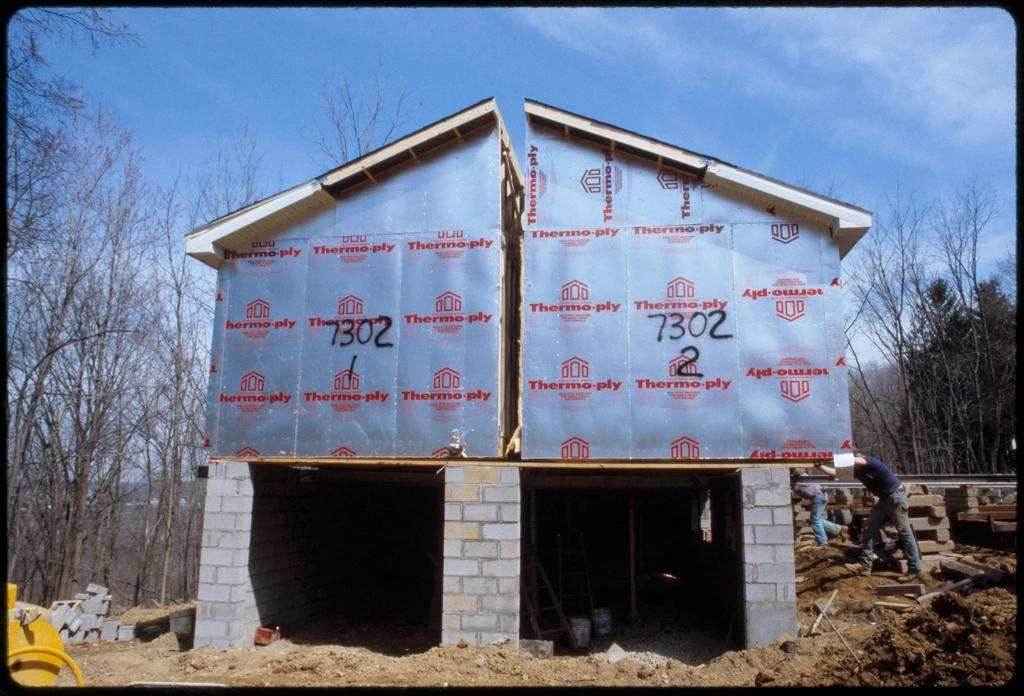
How to keep a module cool or warm depending on the climate: panel type, roof, windows and ventilation.