· Practical tips
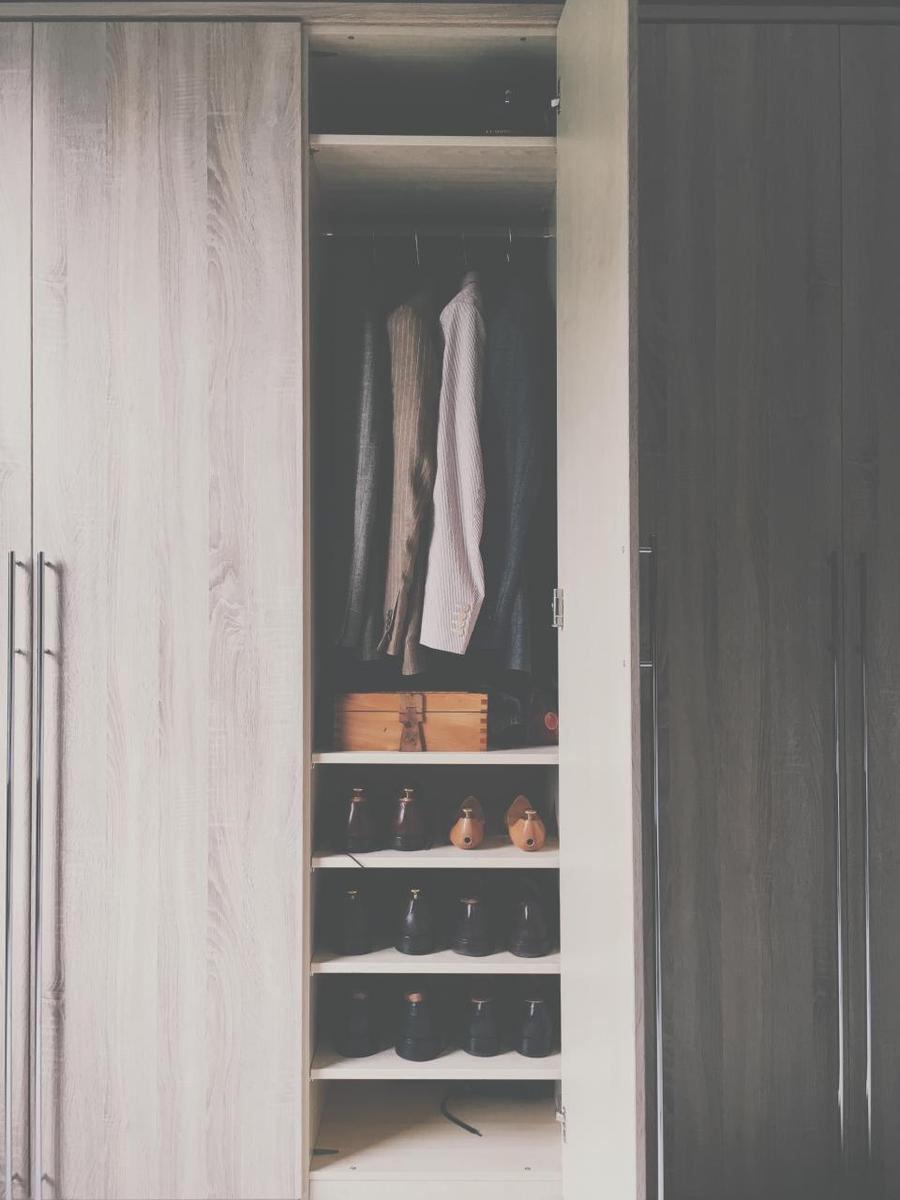
How to make the most of a small closet: ideas that work
With a good interior layout, a small closet can hold far more. These ideas work in any apartment.

We compare the cost, durability and upkeep of melamine and solid wood so you can decide piece by piece.

It is the question we hear most when designing furniture: melamine or solid wood? There is no single answer, because each material performs best in a different use. Here is what we see every day in the workshop, so you can decide with good judgment and not just on price.
Melamine is a particleboard or MDF panel covered with a tough decorative sheet. It comes in many colors and grains, and it can be cut with great precision.
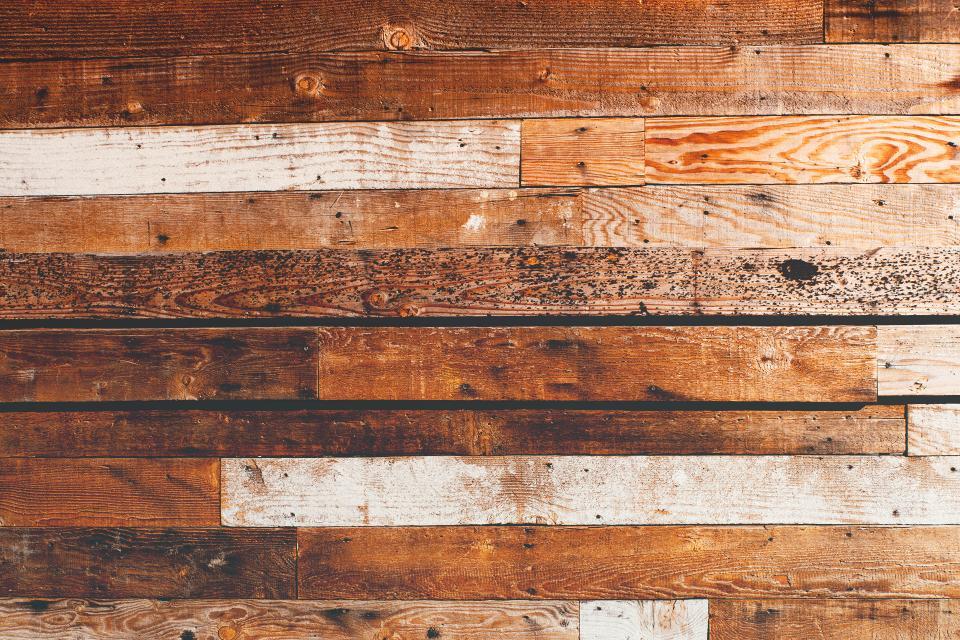
Solid wood is natural timber in planks, such as oak, walnut or treated pine. Every piece has its own grain, and it can be sanded and repaired many times.
Melamine usually costs less and is delivered faster, because the board already comes finished and is worked with numerically controlled cutting machines. For a full kitchen or a wardrobe with several doors, the price difference is considerable.
Solid wood requires more hours of carpentry, drying and finishing. In return, you get a piece that can last decades and is restored instead of replaced.
In damp areas such as kitchens and bathrooms, well-sealed melamine performs very well. Its weak point is water entering through an unprotected edge, which swells the board.
Solid wood withstands knocks and can be sanded if scratched, but it expands and contracts with humidity changes. In Cuenca, where the weather shifts during the day, proper drying and a suitable sealer make all the difference.
Two melamine pieces of the same color can behave very differently depending on board thickness and the quality of the edge banding. An edge glued with a good machine and sealed along its whole length protects the inside from humidity for years.
In solid wood, the finish also makes the difference. A polyurethane sealer or a hard oil protects the surface from water and stains, but each demands different upkeep: the first is renewed only occasionally and the second is reapplied from time to time.
Always ask what type of edge and finish your quote includes. It is a technical detail that sometimes explains why two similar proposals have different prices.
Many projects combine both materials. A kitchen island, for example, can have a melamine structure and an oak countertop.
If the budget is tight, do not sacrifice the quality of the structure to pay for a showier finish. A simple, well-built piece is better than an elegant one with cheap hardware that fails in the first year.
Always ask the quote to state board thickness, edge type and hinge brand. Those three details say a lot about how long the piece will last.
Ask yourself how long you want the piece to last, how heavily you will use it and how much you are willing to invest today. If in doubt, ask us for physical samples: seeing and touching the material clears up almost every question.
At ModulOffi we show you both options with prices side by side, so you choose with the full picture.
· Practical tips
With a good interior layout, a small closet can hold far more. These ideas work in any apartment.

· Practical tips
Desk height, chair, screen and lighting: small adjustments to work more comfortably and feel less tired.
· Practical tips
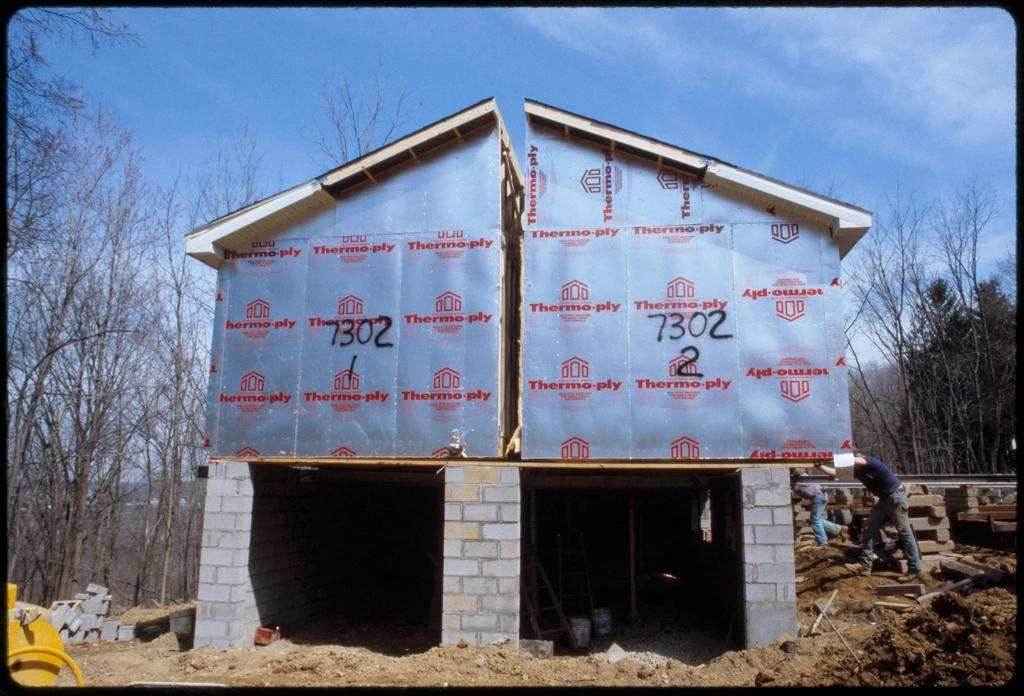
How to keep a module cool or warm depending on the climate: panel type, roof, windows and ventilation.